Hair Loss

Hair Loss

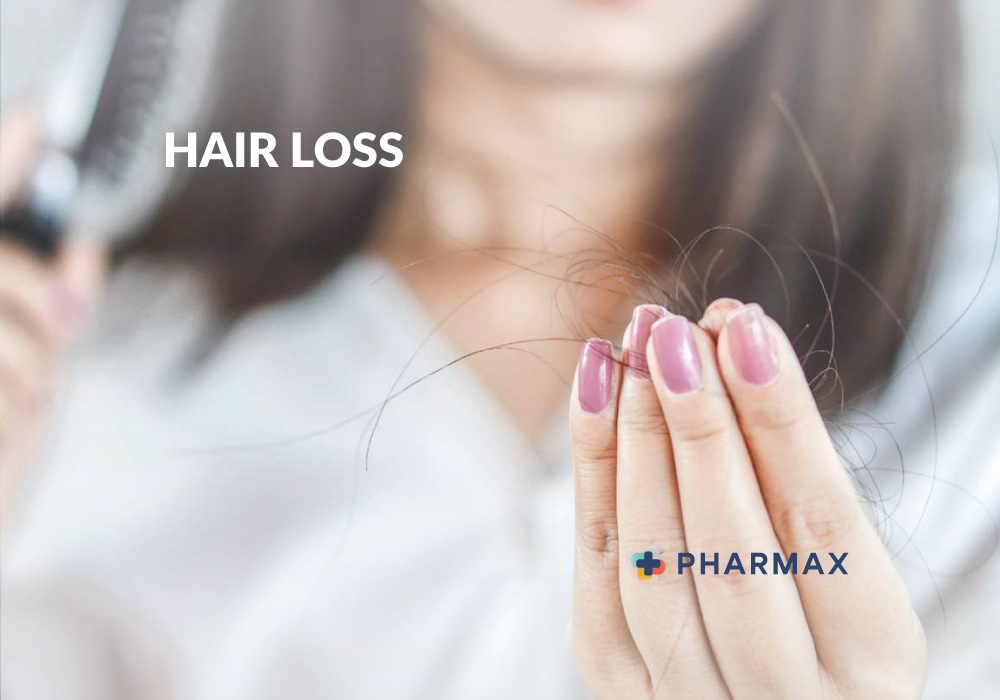
Patterned baldness is the most common cause of hair loss in both men and women, and is the result of genetic and hormonal factors.

All men and women will be affected by patterned hair loss at some stage in their lives. The majority of men have developed temporal recession by their mid 20s and noticeable balding by their mid 50s.

Hair Growth Cycle

The three stages of hair growth are the anagen, catagen, and telogen phases.

Each strand of hair on the human body is at its own stage of development. Once the cycle is complete, it restarts and a new strand of hair begins to form. The growth rate of hair varies from person to person and depends on age, genetics and environmental factors. Scalp hair is known to grow between 0.6cm and 3.36cm per month. The growth rate of scalp hair somewhat depends on age, sex, and ethnicity.

What Causes of Hair Loss

There are numerous causes of hair loss including illness, genetics, hormonal changes, stress, anaemia, fungal infections, and simply getting older.

Types of Hair Loss

Male pattern baldness (androgenetic alopecia): The most common type of hair loss in men, it affects about half of the male population by the age of 50.

Female pattern baldness (androgenetic alopecia): Similar to the male variety, women lose hair in a more generalised thinning manner.

Alopecia totalis and alopecia universalis: Alopecia totalis is the complete loss of hair from the head, alopecia universalis is the total hair loss from the whole body. These types of hair loss can be due chemotherapy.

Alopecia areata: Patchy hair loss is most common in teenagers and young adults, and it tends to grow back in a few months. Alopecia areata can due to problems with the immune system.

Telogen effluvium: Childbirth, illness, or sudden weight loss can cause your hair to thin. Telogen effluvium is often temporary.

Treatments for Hair Loss

  • Prescription and OTC drugs – topical and oral

  • Hair transplants

  • Laser treatment

  • Quit smoking

  • Scalp massage

  • A balanced diet

  • Reduce stress

Gastro-Oesophageal Reflux Disease

Gastro-Oesophageal Reflux Disease

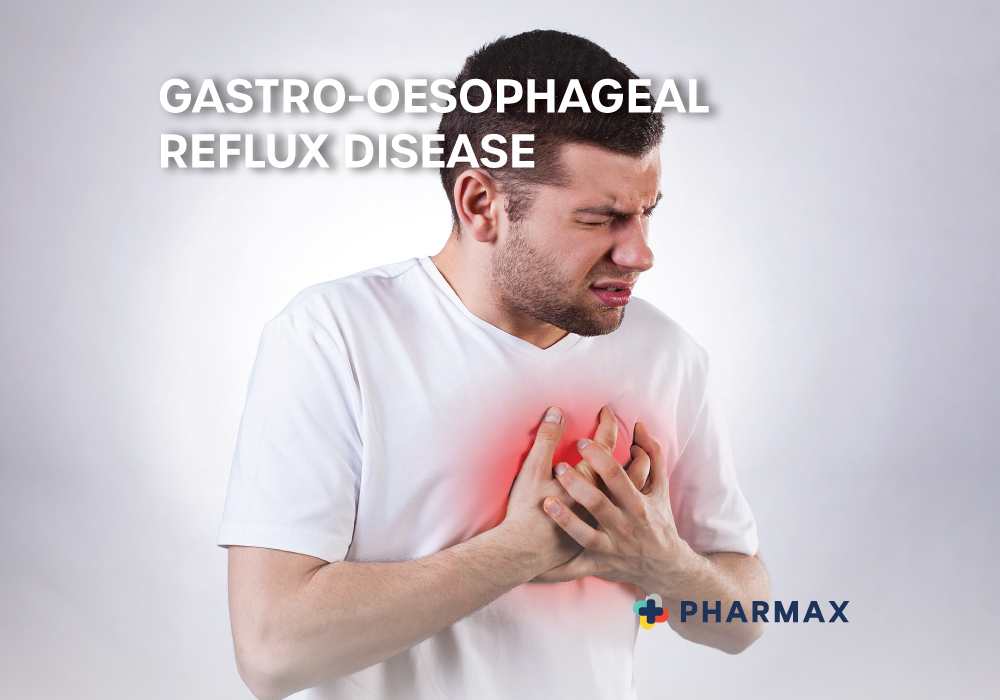
Gastro-oesophageal reflux disease (GORD) occurs when stomach acid leaks from the stomach and moves up into the oesophagus (food pipe). This is also known as ‘acid reflux’ or ‘reflux’.

Almost everyone will have heartburn caused by acid reflux from time to time. It is considered GORD when it happens more than twice a week. It can eventually lead to more serious health problems and impact your wellbeing and quality of life.

GORD can affect everyone, even children, but mostly affects adults aged 40 and over. The most common symptoms of GORD include:

  • heartburn — a burning feeling rising up from the stomach or lower chest, or a burning chest pain or discomfort. This happens most commonly after eating

  • regurgitation — when stomach acids comes back up into your mouth causing an unpleasant taste

  • pain when swallowing and difficulty swallowing

GORD is caused by a combination of factors, but the most important is that the muscle around the bottom of the oesophagus, which keeps the contents of the stomach from rising back up the oesophagus, is not working properly. This muscle is known as the lower oesophageal sphincter (LOS). The result is that the stomach acid can move up the oesophagus.

GORD is normally treatable. However, there are if left untreated, it can lead to serious complications, including Oesophageal ulcers, Oesophageal stricture, Barrett’s oesophagus, and Oesophageal cancer.

Treatment for gastro-oesophageal reflux disease (GORD) aim to:

  • relieve symptoms

  • reduce the risk of complications

  • improve quality of life

  • heal any ulcers in the oesophagus

Lifestyle changes

You can make some lifestyle changes to help manage your GORD symptoms. They include:

  • eating a low fat diet

  • losing weight,

  • avoiding foods that make your symptoms worse

  • cutting back on alcohol

  • stopping smoking

  • eating smaller, more frequent meals

  • eating your evening meal at least three hours before you lie down to go to bed

  • raising the head of your bed

  • asking your doctor or pharmacist to review your medicines

Medicines

If lifestyle changes fail to control symptoms, you may need to take medicines. Talk to you doctor or pharmacist.

Surgery

Surgery is usually the last resort but can help of medicines do not.

CATEGORIES

PRESCRIPTIONS

SAFE PAYMENTS METHODS

FAST FREE DELIVERY

Get FREE delivery to
anywhere in Australia
on orders over $29.99

Add to cart