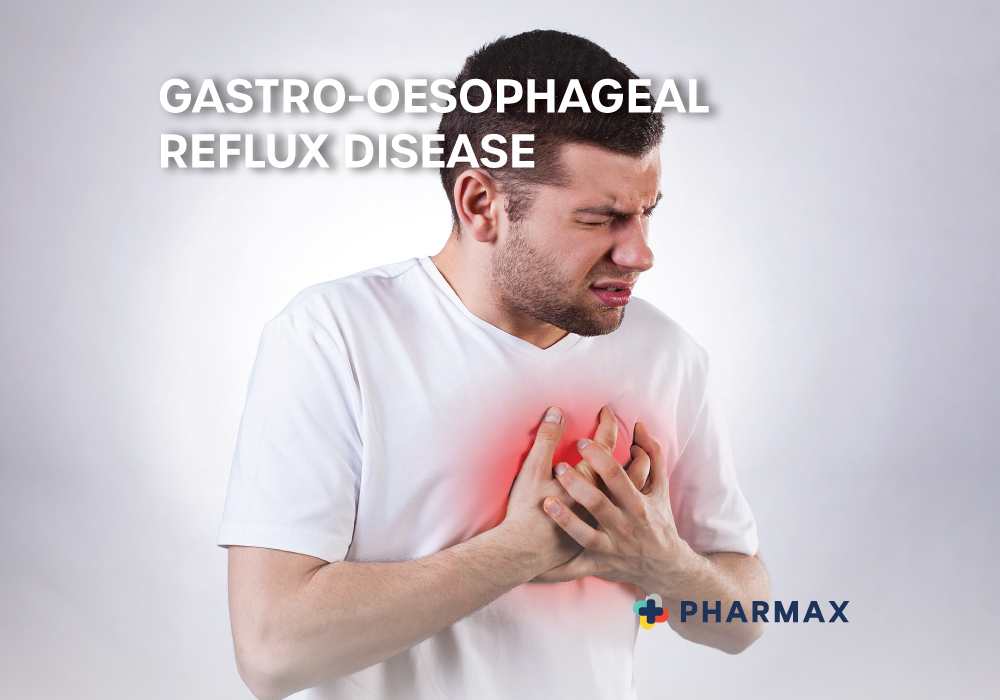
Gastro-oesophageal reflux disease (GORD) occurs when stomach acid leaks from the stomach and moves up into the oesophagus (food pipe). This is also known as ‘acid reflux’ or ‘reflux’.
Almost everyone will have heartburn caused by acid reflux from time to time. It is considered GORD when it happens more than twice a week. It can eventually lead to more serious health problems and impact your wellbeing and quality of life.
GORD can affect everyone, even children, but mostly affects adults aged 40 and over. The most common symptoms of GORD include:
heartburn — a burning feeling rising up from the stomach or lower chest, or a burning chest pain or discomfort. This happens most commonly after eating
regurgitation — when stomach acids comes back up into your mouth causing an unpleasant taste
pain when swallowing and difficulty swallowing
GORD is caused by a combination of factors, but the most important is that the muscle around the bottom of the oesophagus, which keeps the contents of the stomach from rising back up the oesophagus, is not working properly. This muscle is known as the lower oesophageal sphincter (LOS). The result is that the stomach acid can move up the oesophagus.
GORD is normally treatable. However, there are if left untreated, it can lead to serious complications, including Oesophageal ulcers, Oesophageal stricture, Barrett’s oesophagus, and Oesophageal cancer.
Treatment for gastro-oesophageal reflux disease (GORD) aim to:
relieve symptoms
reduce the risk of complications
improve quality of life
heal any ulcers in the oesophagus
Lifestyle changes
You can make some lifestyle changes to help manage your GORD symptoms. They include:
eating a low fat diet
losing weight,
avoiding foods that make your symptoms worse
cutting back on alcohol
stopping smoking
eating smaller, more frequent meals
eating your evening meal at least three hours before you lie down to go to bed
raising the head of your bed
asking your doctor or pharmacist to review your medicines
Medicines
If lifestyle changes fail to control symptoms, you may need to take medicines. Talk to you doctor or pharmacist.
Surgery
Surgery is usually the last resort but can help of medicines do not.